Why Connecting Connections Matters
Updated: 2026-10-01
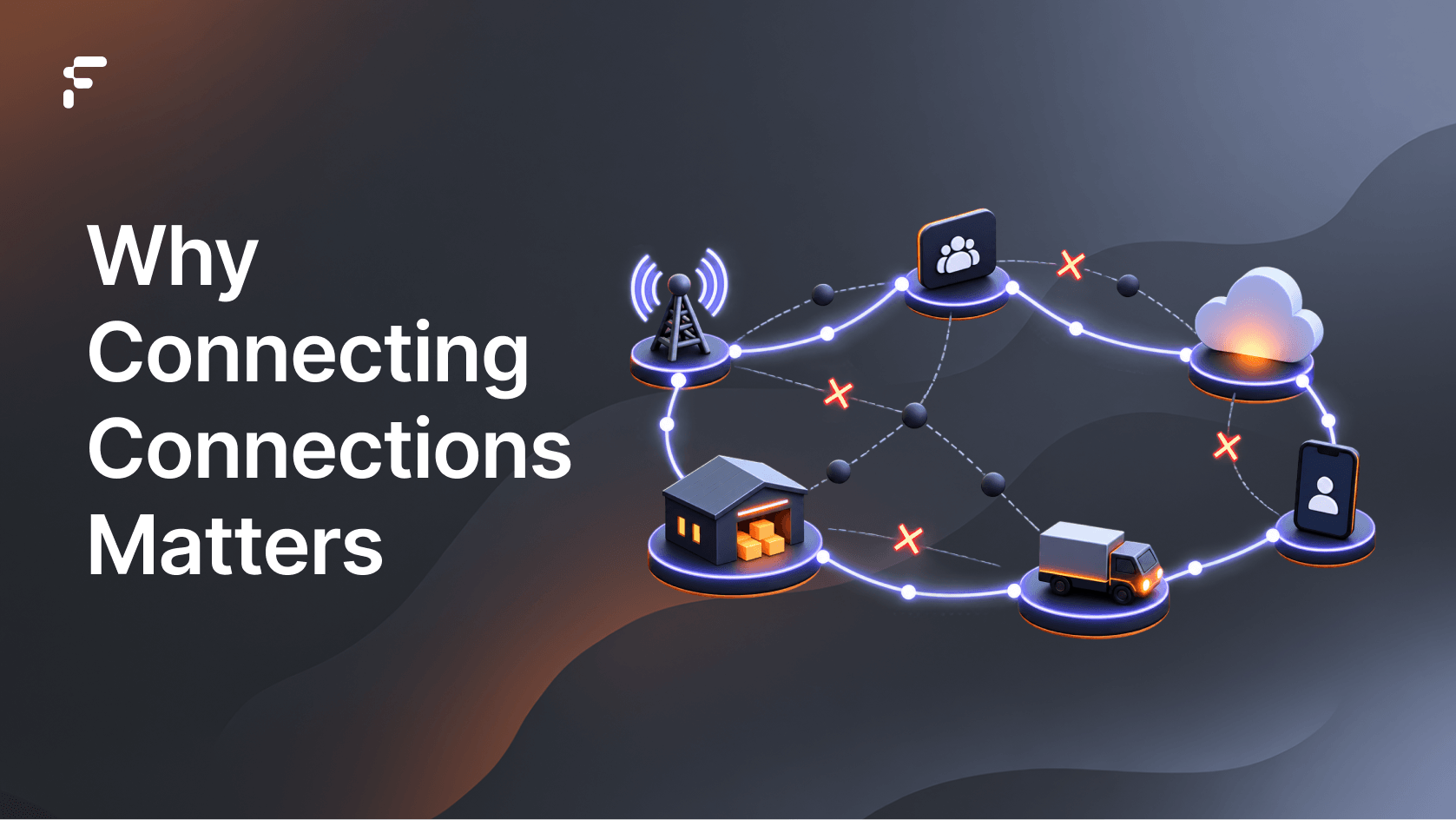
From broadcasting to social media to product delivery, your value as a service company depends on continuous customer connection. If you’re in the service business, your product isn’t just what you sell. It’s the connection between you and your customer. A broadcaster needs to reach its audience. A social media platform needs users to connect, post and engage. A logistics company needs applications, drivers, warehouses and customers to continuously exchange information. The same principle applies to financial services, SaaS, messaging and IoT: when that connection breaks, the service disappears.
Across an increasingly fragmented Internet, maintaining those connections is becoming harder. Censorship, throttling, filtering, infrastructure failures and shutdowns can interrupt the digital pathways businesses normally take for granted. Recent Psiphon Forge posts have explored precisely this shift: conventional connectivity redundancy isn’t always enough when the underlying network itself becomes the point of failure.
That’s why connecting connections matters. Business continuity increasingly means creating resilient pathways between all the individual connections your service depends upon, from broadcaster to viewer, platform to user, warehouse to driver, application to cloud, and ultimately business to customer. Psiphon Forge embeds that resilience directly into applications and services, using adaptive, multi-protocol connectivity to maintain access when conventional routes are blocked, degraded or unreliable.
The objective is persistent connectivity across difficult network conditions; Psiphon Forge extends the same principle across broadcasting, social media, logistics, IoT and secure communications.
Because whatever service you provide, the business equations are remarkably simple:
Service - Connectivity = Zero Value + Zero Revenue
Service + Connectivity = Customer Satisfaction + Growth + Revenue