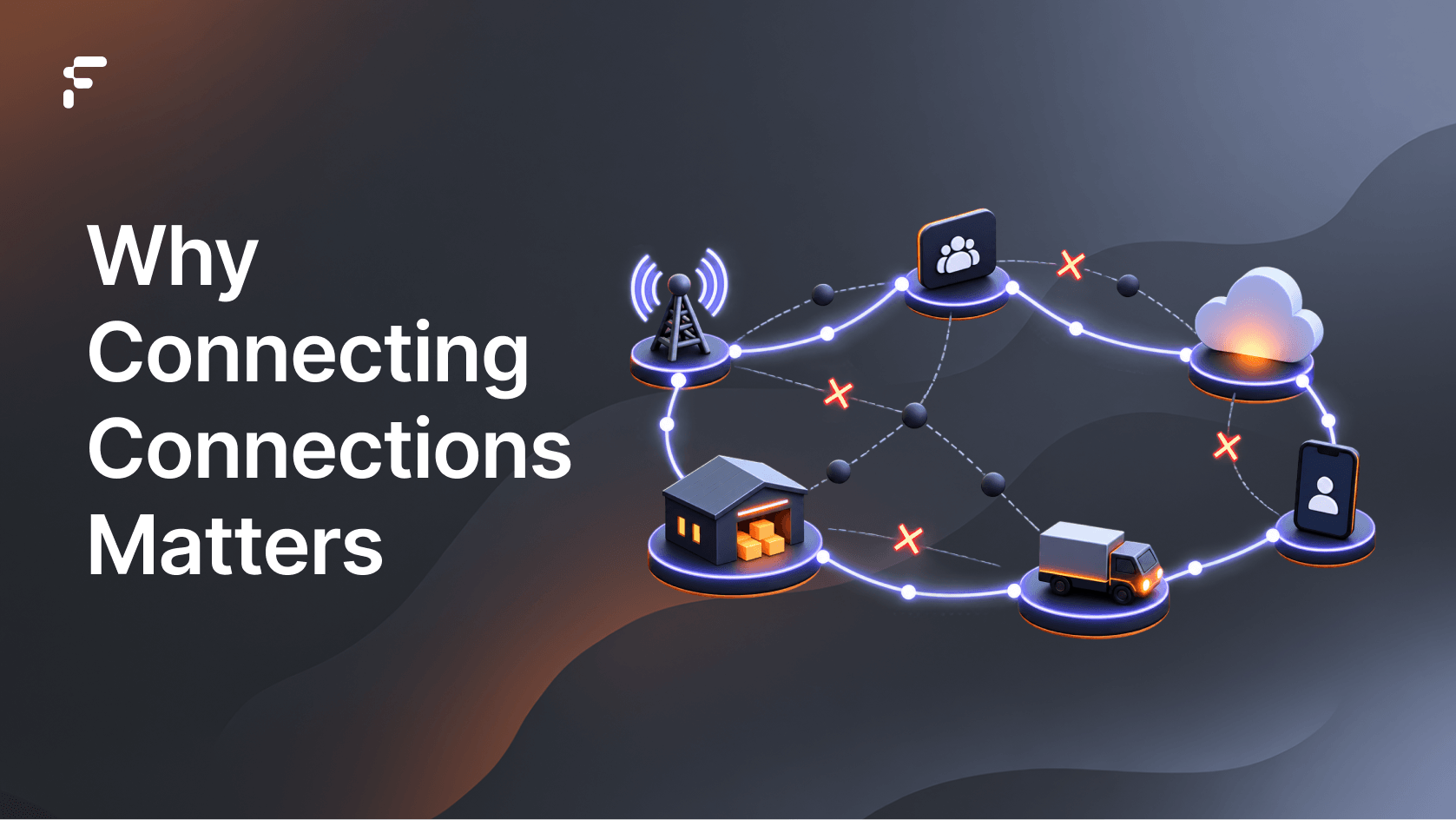
The internet was built on a simple idea: that information should flow freely, that collaboration should have no borders, and that access should be universal. That's not the reality for billions of people. In 2024, 4.8 billion people experienced government-imposed online restrictions. As of April 8, 2026, Iran's internet shutdown has exceeded 39 consecutive days and counting, the longest nationwide internet disruption ever recorded anywhere in the world. Russia is blocking platforms and cracking down on the tools people use to get around it. Across Africa, elections are being held under the cover of digital darkness. This is the world we work in. And it's exactly why Psiphon exists.
And here's why it matters… In one African market, a large mobile financial services provider had built out its mobile banking platform, enabling peer-to-peer transfers, remittances, and deposits for millions of users. During a recent period of social unrest, the government suddenly introduced network filtering and service blocks, impacting all mobile financial platforms. Users were suddenly unable to access core services, or subscribe to the tools needed to restore connectivity. Transactions stalled, and customers were left effectively stranded.
As a SaaS provider, your business is your business, but your ability to deliver services, on time, every time, is everything to your customers. Your brand, your reputation and your revenue is something you just can't afford to gamble with.
Yet increasingly, many providers are doing exactly that, because the global networks their services depend on are no longer as stable or predictable as they once were. From Southeast Asia, to the Middle East and Africa, the accelerating and unpredictable use of regional internet filtering, throttling and even shutdowns means you’re gambling on the availability of a stable digital infrastructure. When you lose that bet, you and your customers pay the price.