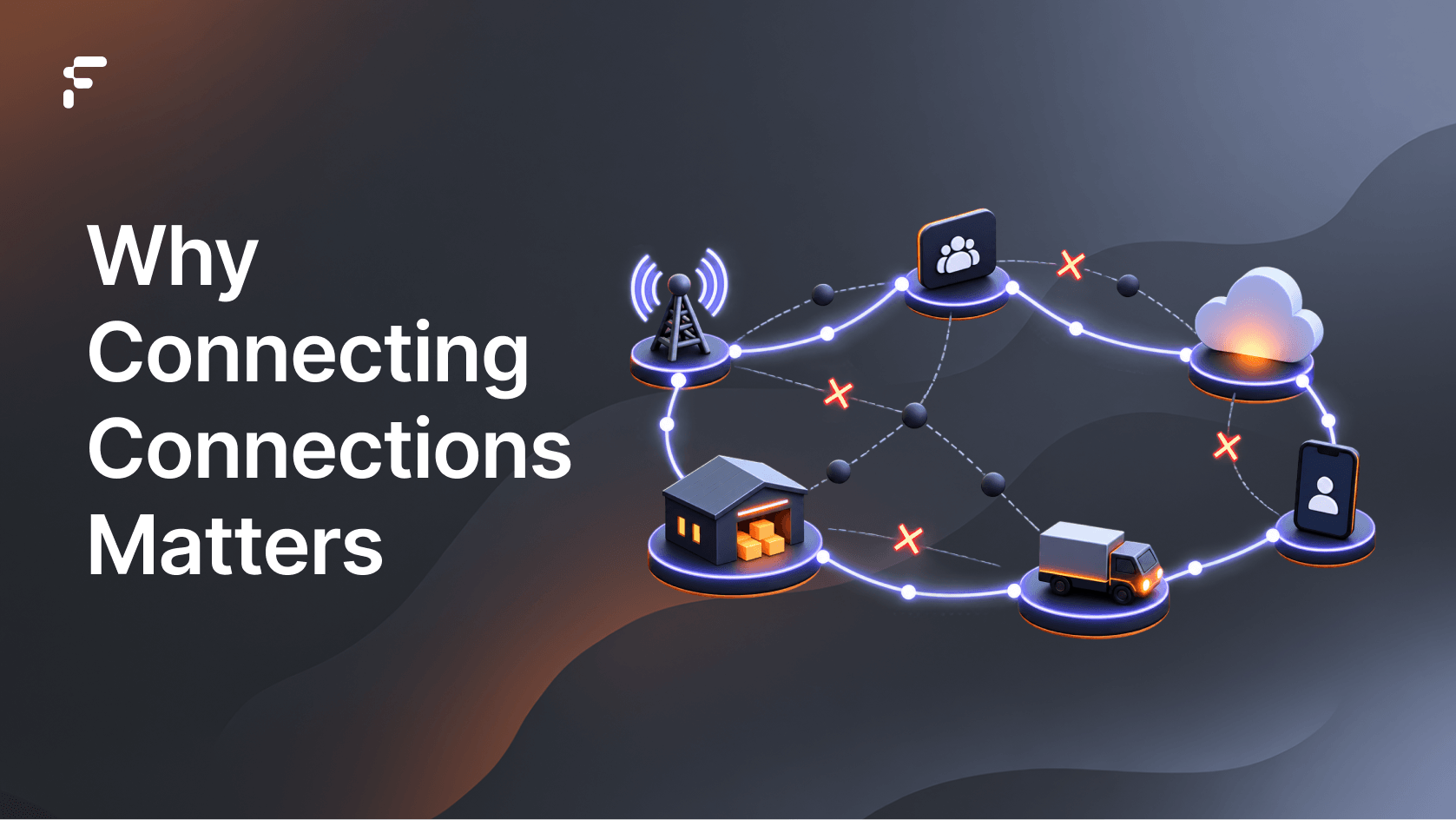
As a business, finding and growing your customer base in Russia may seem impossible. It doesn't have to be. For many business sectors, Russia remains a market with active users and ongoing demand across sectors such as digital services, financial platforms, e-commerce, logistics, SaaS, and media delivery. With a population of approximately 143 million people, Russia is a large and dynamic market with tremendous potential, but potential that is out of reach without the right infrastructure.
Tag: Business-Continuity
The recent internet shutdown in Iran underscored how fragile digital infrastructure can become under pressure. For companies operating in the Middle East, such shutdowns sever the connective tissue that binds logistics, customer support, data flows, and service delivery. Much like an athlete depends on ligaments and tendons to move effectively, your organization depends on uninterrupted network access to function. When that connection breaks—due to state censorship, throttling, or blackouts—operations don’t just slow down, they collapse.
As regional tensions and state-level internet controls escalate in Southeast Asia, logistics operators face a critical—often overlooked—operational risk: network fragmentation. In countries like Myanmar, Vietnam, and parts of Indonesia and the Philippines, governments and ISPs can throttle connectivity, block IPs, or allow full-scale blackouts during political unrest. For logistics firms, this means core functions like fleet tracking, warehouse syncing, customs reporting, or API integration with partners can fail without warning. With operations stretched across fragile digital environments, maintaining business continuity requires more than basic redundancy—it demands resilient, censorship-resistant infrastructure embedded directly into operational systems.