
Why Psiphon Forge Works When Other Network Continuity Solutions Don’t
Updated: 2026-07-30
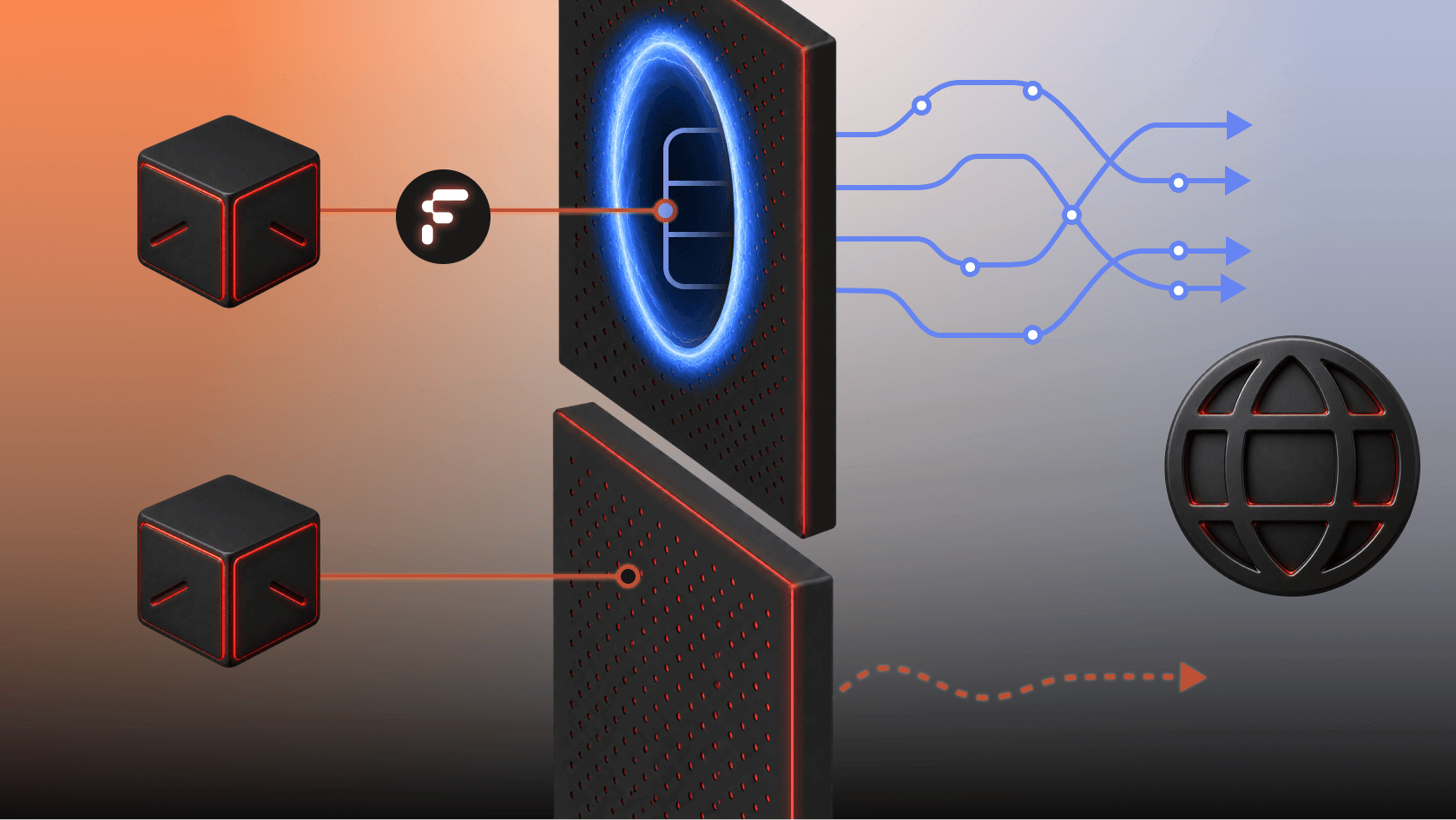
Harnessing the Forge Multi-protocol Stack in Your Own Organizational and Service Applications. In our previous post, we showed that embedding Psiphon Forge into an application is surprisingly straightforward. With only a few API calls, developers can add resilient connectivity without redesigning their infrastructure.
Why Forge Works, When Others Don't: Integration is only half the story, however. The more important question is why Forge continues to work in environments where conventional VPNs, proxies, CDNs, and other continuity solutions increasingly struggle, or just don't work at all. The answer lies in the architecture beneath the API. Rather than relying on a single protocol, transport mechanism, or network path, Forge gives your application access to the same adaptive, multi-protocol connectivity stack that Psiphon has continuously evolved over nearly two decades of operating against real-world censorship and network interference. As network conditions change, protocols are fingerprinted and become ineffective. Forge can dynamically adapt to meet this challenge, without requiring changes to your application or, more importantly, intervention by your users.
The Myth of the Constant Network: Most network continuity products are designed around one transport technology. They assume the network remains fundamentally cooperative and that outages are exceptional. Increasingly, neither assumption holds true. Often unpredictable and devastating to users, network blocking events are on the rise all over the world.
What makes this so challenging is modern network blocking. Filtering systems combine deep packet inspection, protocol fingerprinting, DNS interference, IP blocking, traffic shaping, TLS analysis, and increasingly sophisticated behavioural analysis, to identify and disrupt targeted services. A single protocol, even a highly secure one, can eventually become just another identifiable signature to disrupt.
Multiple Challenges Demand Adaptive Solutions: Forge approaches the problem differently. Multiple encrypted and obfuscated protocols operate as an adaptive stack rather than isolated alternatives, allowing connections to shift seamlessly as network conditions evolve while presenting a moving target to blocking systems. Because Forge is embedded directly into your own application, this intelligence becomes part of your service rather than an external tool your users must discover, install, configure, and hope continues to work. The result is not simply another way around censorship, it is a resilient communications layer designed for organizations operating across fragmented, unpredictable, and increasingly contested networks.
Always Ready, Around the Globe: Whether you're delivering financial services across Africa, coordinating logistics throughout Southeast Asia, supporting enterprise users in the Middle East, or maintaining customer applications in Eurasia, resilient connectivity is becoming an application requirement rather than a networking feature. Forge lets your organization harness the continual evolution of Psiphon's global anti-censorship infrastructure while remaining focused on your own products, customers, and mission.
Embedded Continuity: As blocking techniques evolve, so does the underlying Forge platform—meaning your application benefits from continuous improvements without constant engineering effort on your part. That's the advantage of embedding a living, adaptive multi-protocol stack rather than depending on a single technology whose effectiveness inevitably declines over time. In a world where network fragmentation is becoming a permanent operating condition, resilience belongs inside the application itself.